
Expert Picks Of Products For Wood Floor Sandings For Seamless Results
Choose from highly recommended tools and supplies designed to deliver smooth, even finishes on hardwood flooring projects.
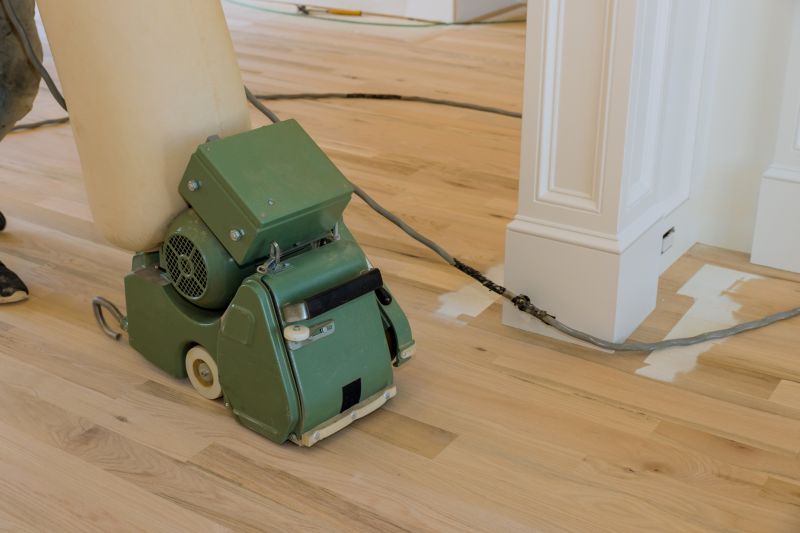 When undertaking wood floor sanding projects, selecting the right products is essential to achieve a smooth, professional finish. The process typically involves removing old finishes, scratches, and surface imperfections to prepare the floor for refinishing. A variety of tools and materials are available to facilitate this process, ranging from abrasive pads to power sanding machines. Understanding the different types of products ensures that users can choose appropriate options for their specific flooring needs.
Top Overall Option
Multi-Grit Sanding Discs
Multi-grit sanding discs are versatile and adaptable, allowing users to progress through different levels of coarseness with a single product type. They can be easily attached to orbital sanders or detail sanders, making them suitable for both large surface areas and intricate corners. Their convenience and variety of grit options make them a popular choice for comprehensive floor sanding projects.
Types of Products For Wood Floor Sandings
Abrasive Sanding Pads
Handheld abrasive pads are ideal for detailed work and finishing touches, providing control for tight spots and edges.
Orbital Sanders
Electric orbital sanders offer efficient surface preparation for large areas with minimal vibration and consistent results.
Belt Sanders
Belt sanders are powerful tools suitable for removing old finishes and leveling uneven surfaces quickly.
Drum Sanders
Drum sanders provide heavy-duty sanding for extensive floor refinishing projects, capable of handling thick coatings.
Sanding Discs
Interchangeable sanding discs come in various grits for different stages of surface smoothing and finishing.
Sanding Belts
Sanding belts are used with belt sanders for aggressive material removal and surface leveling.
Sanding Sheets
Flexible sanding sheets are suitable for hand sanding and finishing small or detailed areas.
Dust Collection Attachments
Accessories that connect to power sanders to reduce airborne dust and improve workspace cleanliness.
Edge Sanding Tools
Specialized tools designed to reach edges and corners that larger machines cannot access easily.
Polishing Pads
Fine polishing pads are used for finishing touches and achieving a smooth, shiny surface.
Grinding Attachments
Heavy-duty grinding tools for removing stubborn finishes or leveling very uneven surfaces.
Sanding Blocks
Manual sanding blocks provide control for small repairs and detailed work on wood floors.
Popular Choices
Orbital sanders are favored for their ease of use and ability to produce smooth finishes on large surface areas.
Belt sanders are commonly used for rapid removal of old finishes and leveling floors before finer sanding.
Interchangeable sanding discs in various grits are popular for their versatility and efficiency.
Heavy-duty drum sanders are often chosen for large-scale floor refinishing projects requiring significant material removal.
Flexible sanding sheets are widely used for detail work and finishing touches by DIY enthusiasts and professionals.
Dust collection accessories are popular for maintaining a cleaner workspace during extensive sanding projects.
Tools designed for edge and corner work are frequently selected to ensure complete surface coverage.
Polishing pads are gaining popularity for achieving a refined, smooth finish after initial sanding.
Manual sanding blocks remain a staple for detailed and precise work on wood floors.
Hand sanding products, such as abrasive pads and sanding blocks, are useful for detailed work and tight corners. Power sanders, including orbital and drum sanders, provide efficient coverage for larger areas, reducing manual effort and time. Additionally, specialized accessories like sanding discs, belts, and sheets come in various grits to enable progressive smoothing from coarse to fine finishes. Proper selection and use of these products help prevent damage to the wood, minimize dust, and achieve a uniform surface.
Safety and compatibility are critical considerations when choosing sanding products. Using the correct grit sizes and types of abrasives ensures effective material removal without excessive wear or gouging. Ventilation and dust collection systems are also important to maintain a clean workspace and protect health. Whether refinishing a single room or multiple floors, understanding the range of available products and their specific applications can make the sanding process more efficient and satisfying.
Ultimately, investing in quality sanding products tailored to the scope of the project can lead to better results and easier cleanup. From initial rough sanding to fine finishing, the right tools and materials help create a smooth, durable surface ready for staining or sealing. Proper product selection, combined with careful technique, supports a successful wood floor restoration or renovation.
Key Buying Considerations
- Type of project scope: small repairs versus large-scale refinishing.
- Grit sizes needed for each stage of sanding, from coarse to fine.
- Compatibility of abrasives with power tools or manual use.
- Dust collection features to maintain a clean workspace.
- Ease of handling and ergonomic design for prolonged use.
- Durability and quality of abrasive materials.
- Availability of replacement parts and accessories.
- Weight and size of power sanding equipment for maneuverability.
- Surface area coverage per pass to estimate project time.
- Noise levels of power tools to consider for comfort.
- Cost and budget constraints for both tools and consumables.
- Compatibility with existing equipment or accessories.
- Safety features such as vibration reduction and dust containment.
- Ease of replacing or changing abrasives during the project.
- User reviews and ratings for real-world performance insights.